Jason Lyon, who created the cover for TSL’s Spring issue, shares his artistic background, influences and the journey to becoming an award-winning illustrator
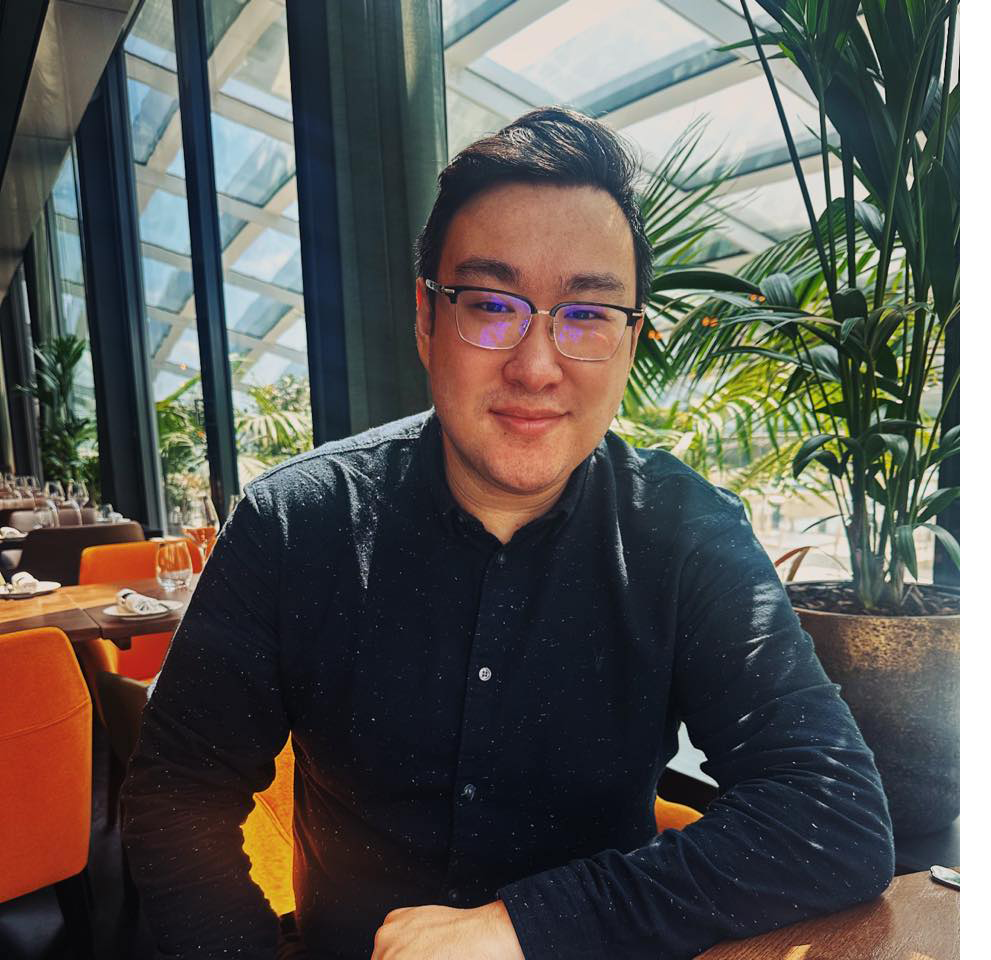 I’ve been drawing for as long as I can remember. From a very young age, I was always sketching, and in primary school I started going to weekend art classes where I learned the basics like sketching, form, value and perspective. Even back then, I knew I wanted to draw for a living, I just didn’t know what that would look like yet.
It wasn’t until I completed a foundation degree, which was highly recommended before progressing to an art university course, that I discovered illustration as a discipline. Learning about illustration felt like a turning point. The idea of drawing with intention, creating images to communicate ideas, stories or emotions for books, articles or campaigns, suddenly gave shape to something I had been searching for without realising.
I went on to study illustration at Falmouth University, and when I graduated in the summer of 2019, I felt like I was ready to take on the world. I chose to freelance straight away – partly to test myself, and partly because I wanted the freedom to find my own rhythm after years of structured education.
Then, only a few months later, the pandemic arrived. Like many others, I was faced with uncertainty, concerns about health and the sudden stillness of lockdown. I decided to keep freelancing, telling myself it would be temporary, just until things felt more stable. In fact, that period became unexpectedly formative. With the world slowed down, I found myself fully committing to the work. I drew constantly, learning through doing, and slowly building confidence in my voice. Despite the challenging economic backdrop, my freelance career began to gain momentum. I joined an illustration agency (Brilliant Artists) and started working with clients such as RIBA, Apple, The New York Times and The Lancet. In late 2022, I stepped into the world of publishing with Amazing Asia and Wide Eyed Editions, part of Quarto, creating what has become some of the most rewarding work of my career.
Influences and experiences
I think what influences me most is my cultural heritage and my still quite limited lived experience. I’m deeply inspired by the beauty and philosophy of Chinese ink painting and Japanese woodblock prints, just as much as I am by Western artists such as J. M. W. Turner, Francis Bacon, and Vincent van Gogh.
I’m equally shaped by contemporary illustrators such as Lisk Feng, Victo Ngai, and James Jean, whose work has influenced how I think about narrative, symbolism, and visual worlds. Beyond artists, I find inspiration in Taoist and Buddhist temples, great forests, and mountains, in fleeting encounters with people while travelling, and in the stories held within films, books, and video games. All of these influences quietly weave together, shaping the way I build images and tell stories, somewhere between memory, imagination, and observation.
Moving into children’s book illustration
Amazing Asia, written by Rashmi Sirdeshpande, felt like the most collaborative project I’ve worked on so far. I was constantly communicating with my art directors, and the wider team at Quarto, as well as Rashmi herself. There was a real openness to discussion, whether that was around composition, storytelling, or reference imagery, and the feedback was always thoughtful and generous. That level of collaboration pushed the work further than I could have taken it alone.
Visually, I made a very conscious decision to illustrate everything in a way that was as colourful, bold, and engaging as possible. I’ve always been a very visual learner, and I remember how powerful images were for me as a child. I wanted the illustrations to spark curiosity, to invite young readers in, and to make learning feel exciting rather than instructional. Compared to my previous work, which can sometimes lean more symbolic or abstract, illustrating a children’s book taught me how to communicate ideas more clearly and generously. It challenged me to balance clarity with imagination, and that’s something I’ve carried forward into my practice since.
The biggest challenge was simply the scale of the project. Amazing Asia is a 120-page encyclopaedia, which meant producing a huge volume of illustrations and maintaining consistency across such a long book. What surprised me most was how supported I felt throughout the process. The team provided an incredible amount of reference material, clear communication, and a very generously structured timeline, which made what could have been overwhelming feel manageable and collaborative.
Research and representation in children's books
For this book, I researched more deeply than I ever had on a single project, and that process became just as important as the drawing itself. I went far beyond surface-level research or relying on resources such as Wikipedia, instead cross-referencing museum archives, historical texts, academic sources, and visual material such as artefacts, architecture, textiles, and sculpture to understand the distinct visual languages of different regions.
Representation felt like a real responsibility throughout. I was constantly checking whether an image felt culturally grounded rather than generic, and feedback from Rashmi and the team played a huge role in refining those decisions.
A good example is illustrating Chagatai Khan. There are no known painted portraits of him available online, so instead of inventing an image, I researched statues and monuments in Mongolia, studying how he has been historically represented in three-dimensional form. That process helped me build a character design rooted in existing cultural memory rather than assumption.
As this was my very first children’s book, I went into the project without much expectation. Before Amazing Asia, I wasn’t even sure my visual style was a good fit for picture books at all. To receive this level of recognition, and especially to know the book resonated so strongly with young readers, has been incredibly affirming. Knowing that young readers selected Amazing Asia in an SLA Information Book Awards, makes the win even more special. It means that all the extra thought, care, and intention behind every creative decision truly mattered. To see that those choices resonated with the very audience the book was made for makes the recognition feel deeply meaningful and incredibly rewarding.
The story behind my TSL cover
For the spring issue, the theme was “Change,” and my response came from a very personal place. I was thinking about the shift my friends and I experienced when we were young, after reading a book about unsolved mysteries of the world. I can’t remember the exact title, but I vividly remember the feeling it sparked. We would sit outside for hours, talking about pharaohs’ mummies, the Loch Ness monster, aliens, and crop circles. That book opened up a world of curiosity for us, where imagination and knowledge blurred together, and suddenly the world felt much bigger and more mysterious.
Looking back now, I realise that sense of fascination never really left. The cover illustration reflects that early moment of change, when curiosity takes hold and shapes how you see the world. In many ways, that book was the starting point, and I think those mysteries and stories continue to influence how I approach storytelling today.
How to become an illustrator
I would tell any young person considering a career in illustration to pursue that passion wholeheartedly and have faith in themselves. There will always be voices saying that art is impractical, unsustainable, or that technology and AI will replace creative jobs. But I firmly believe in the value of human creativity, sensitivity, and individuality, things that cannot be replicated. To quote Dead Poets Society: “Medicine, law, business, engineering, these are noble pursuits and necessary to sustain life. But poetry, beauty, romance, love, these are what we stay alive for.”
Jason Lyon is an award-winning British-Chinese illustrator based in London. His multicultural background profoundly shapes his creative process, infusing his work with a unique blend of vibrant Asian and Western influences. His artwork often explores the magical and surreal aspects of the world around him, crafting visual narratives that are deeply personal and close to his heart. See more of Jason’s work at www.jason-lyon.com
This article is based on an interview that originally appeared in the Spring 2026 issue of The School Librarian. TSL subscribers will also be able to view more of Jason's artwork. Read your digital version here.